
Kitchen cabinet styles explained by the people who build them: how each door is made, what it costs in the materials we use, how it cleans, and which Edmonton homes it suits.
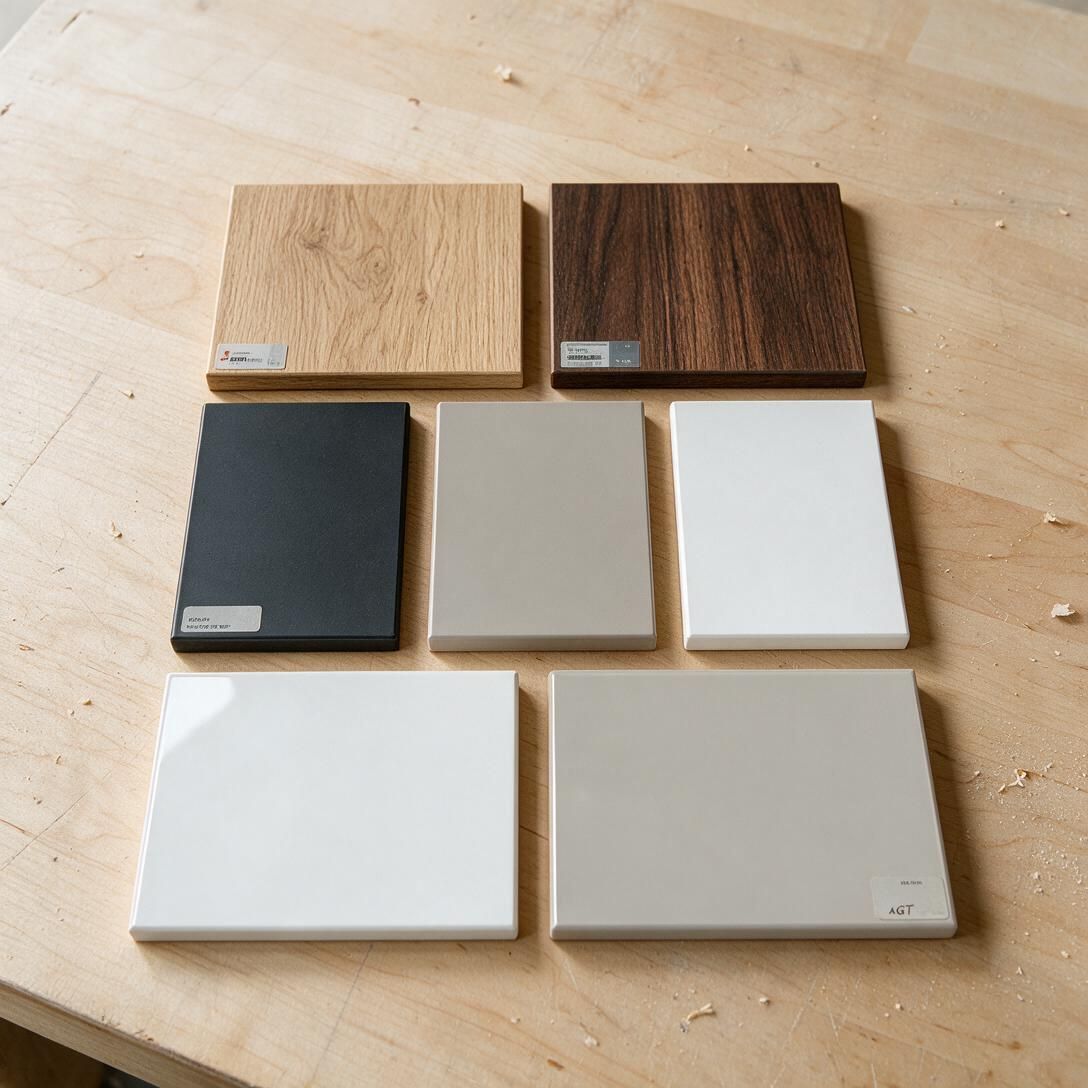
Door style is the first thing people notice in a kitchen and one of the last things they think about in terms of cost, cleaning and how it ages. The box behind the door matters more for durability, but the door decides how the room reads, how much you spend on finish, and how much wiping you do every week. Here is how the common styles are actually built and what each one asks of you.
The five kitchen cabinet styles you will see most
Shaker
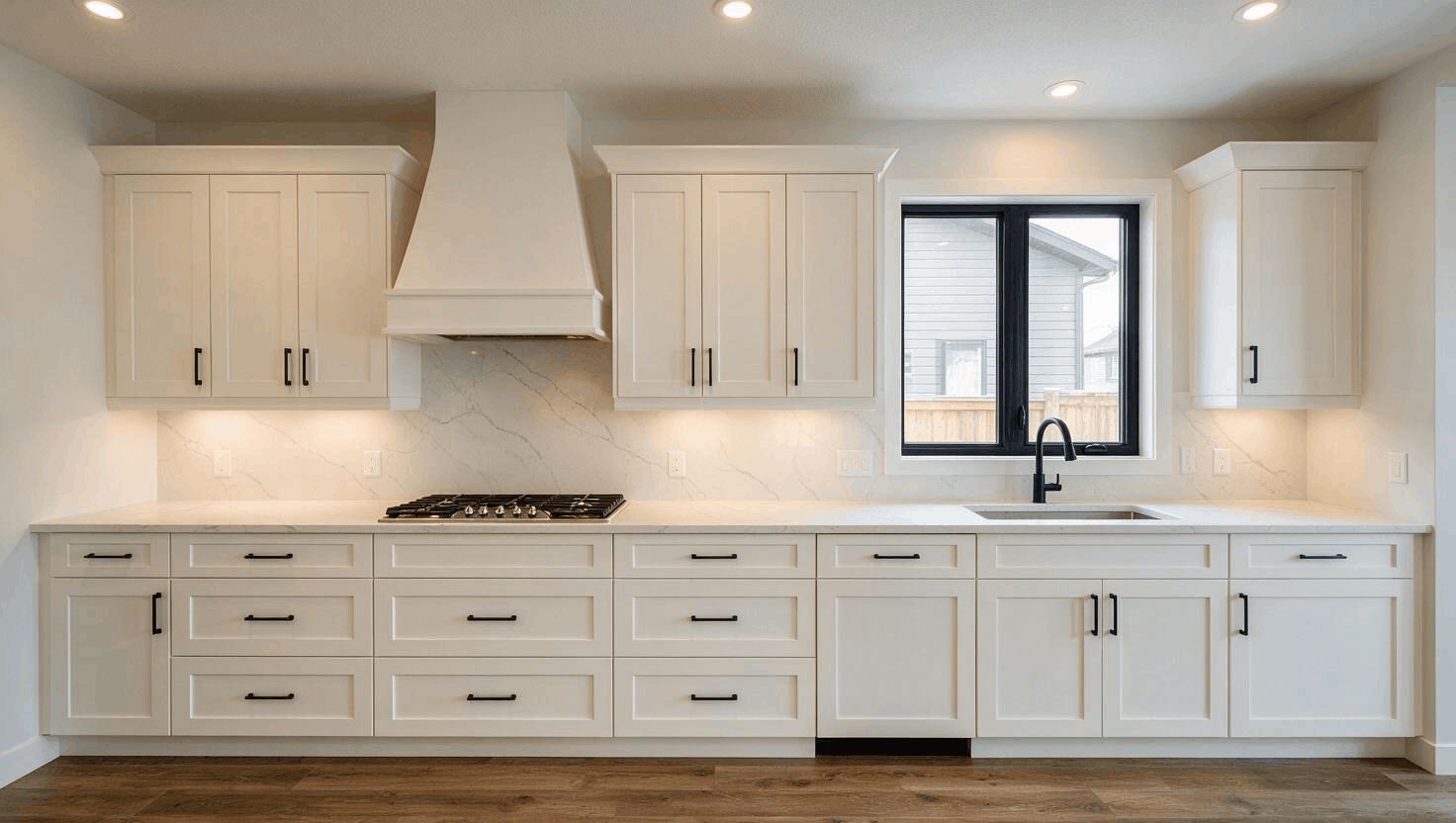
A shaker door is a flat centre panel held in a frame of four pieces: two vertical stiles and two horizontal rails. The frame is usually 2 1/4" to 3" wide. In a custom shop the door is most often made from MDF, either as a five-piece door or machined from one sheet so the joints never open up. Painted MDF is the most requested version of shaker kitchen cabinets in Edmonton homes we work in, because it works in a farmhouse kitchen and a modern one depending on colour and hardware.
What to know: the inside corner where the panel meets the frame collects dust and grease. A slim shaker (a 1" to 1 1/2" frame) looks more current and has less of that ledge to clean.
Slab (flat panel)
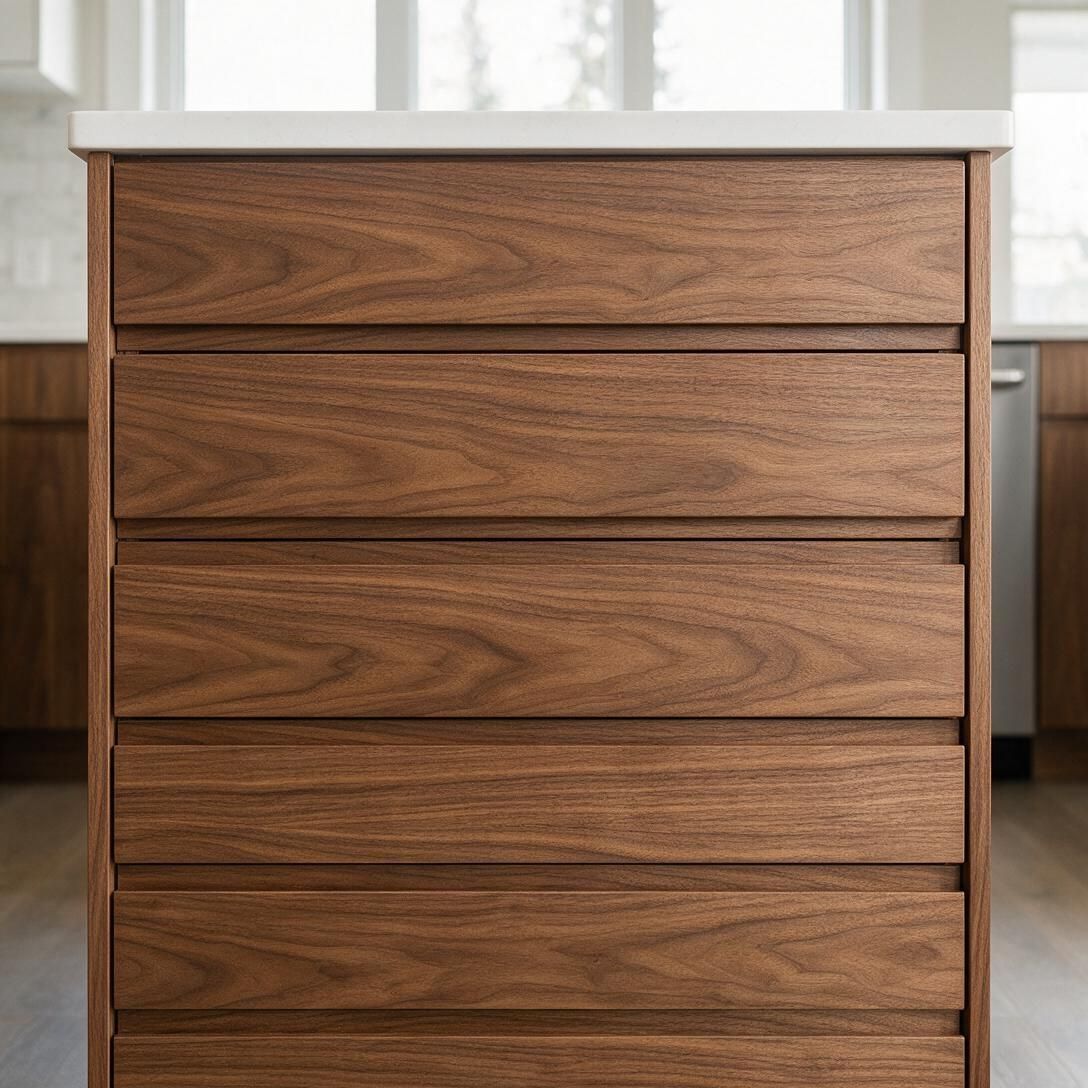
A slab door is one flat piece with no profile. Flat panel kitchen cabinets are the base of almost every modern and European kitchen, and most modern kitchen cabinets in Edmonton new builds use them. Because there is nothing to hide behind, the material does all the work: high-gloss or matte acrylic, wood veneer with matched grain, Fenix NTM, or a textured melamine from Egger's woodgrain range.
What to know: slab doors show alignment. A 2 mm difference in a gap between doors is visible across a long run, so installation and hinge adjustment matter more than with any other style. Grain matching on veneer slabs also means doors are cut in sequence from the same sheets, which adds a little cost and time.
Inset
On an inset cabinet the door sits inside the face frame, flush with it, instead of overlapping the box. It is the most traditional look and the most demanding to build. Gaps around each door are usually about 1/8" and must stay even.
What to know: inset gives up some interior width because the frame takes space, and it needs a stable material and a climate-controlled house. Edmonton's dry winter air and humid summer swing can move solid wood doors enough to rub. We recommend MDF or veneered panels for inset and keep the home's humidity steady. Expect inset to cost noticeably more than overlay in the same finish because of the face frame and the fitting time.
Raised and recessed panel
A raised panel door has a centre panel with a profiled edge that stands proud. It is the classic traditional door. Most clients replacing a raised-panel kitchen want something cleaner, but a simple raised panel in a muted paint can still look right in an older home.
Glass and open fronts
Glass-front uppers or a few open shelves break up a long wall of doors. Clear glass shows everything, so plan it for the dishes you actually like to look at. Fluted or frosted glass hides more. We usually limit glass to two to four doors in a kitchen; more starts to feel like a display case.
How the style affects custom kitchen cabinets cost
The door style changes the price less than the material does. A shaker and a slab in the same painted MDF are close in cost. Moving from melamine to painted MDF, or from painted to veneer, is where the real jump happens. These are our installed price anchors for base cabinets, with uppers at about 0.75 of the base rate:
| Door material | Typical styles | Base cabinets per linear foot (installed) | Cleaning and wear |
|---|---|---|---|
| Melamine | Slab, textured woodgrain | about $380 | Very easy; edges are the weak point |
| Thermofoil | Shaker, slab | about $430 | Easy; avoid heat near the oven |
| Acrylic | Slab, gloss or matte | about $540 | Easy; gloss shows fingerprints |
| Painted MDF | Shaker, slab, inset, raised | about $560 | Good; chips can be touched up |
| Wood veneer | Slab, shaker | about $680 | Good; wipes clean, can be refinished |
| Fenix NTM | Slab | about $760 | Very good; matte, anti-fingerprint |
| Solid wood | Shaker, raised, inset | about $820 | Good; moves with humidity |
All prices are CAD, before GST, and only a starting point. Final prices come after an on-site measure. Inset adds to the painted or wood rate because of the face frame. See our pricing page for full ranges.
Matching style to the house
A few rules of thumb we use in design meetings:
- 1970s to 1990s bungalows and splits. Slim shaker or slab in a warm wood tone works well and does not fight the original trim.
- New builds with tall ceilings. Slab or slim shaker with uppers to the ceiling. Stack a second row of short uppers instead of leaving a dust gap.
- Character homes. Inset or full shaker with a classic profile, painted, with unlacquered brass or black hardware.
- Mixed approach. Many kitchens use a quiet slab for tall units and uppers and a shaker or veneer for the island. It adds interest without adding much cost.
Details that change the look more than the door
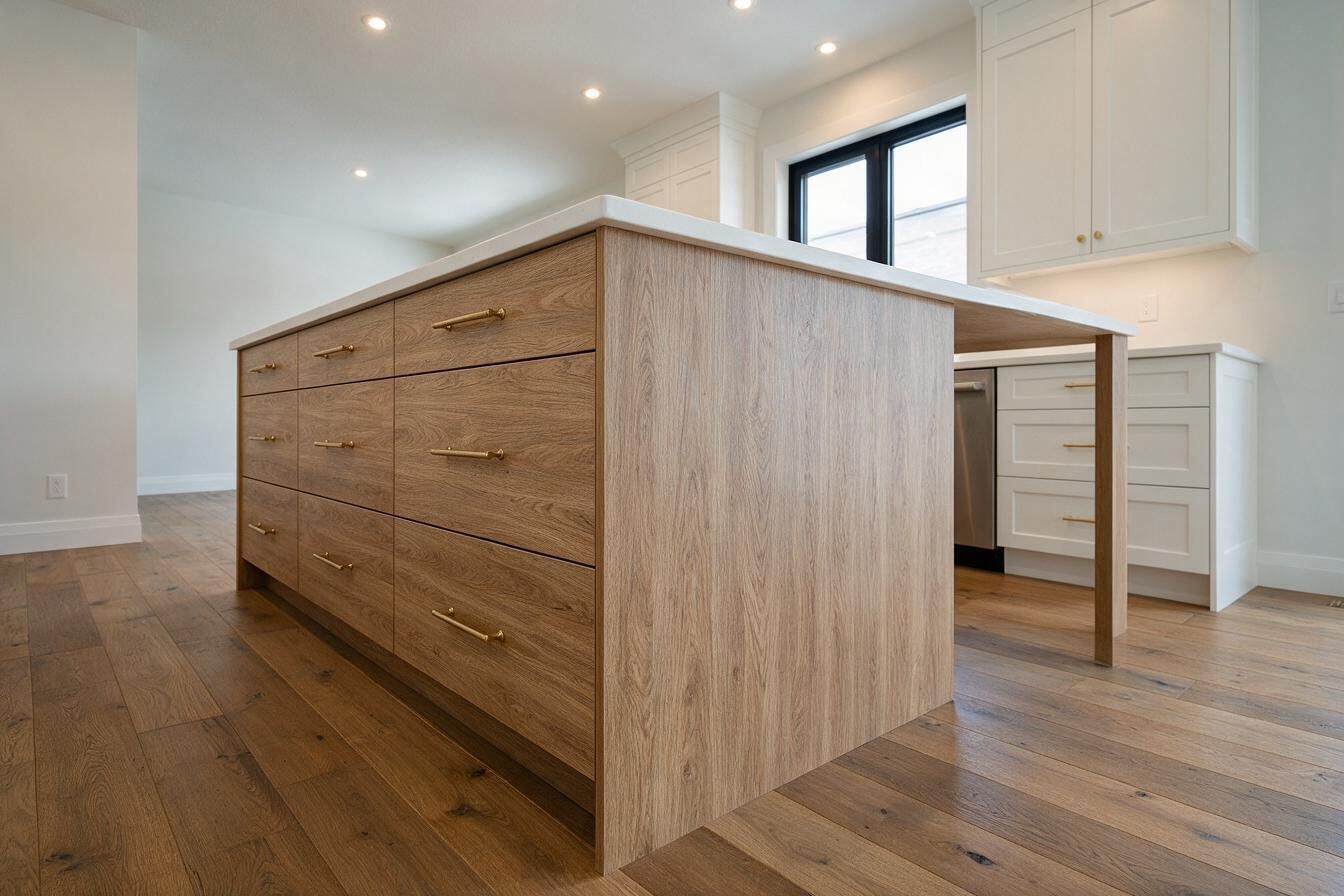
- Hardware. Long bar pulls make a slab kitchen look horizontal and calm. Knobs on doors and cup pulls on drawers lean traditional. Handleless designs use push-to-open (Blum TIP-ON) or a routed finger pull.
- Reveal and gaps. A 2 to 3 mm even gap looks precise. Uneven gaps make an expensive door look cheap.
- Toe kick and panels. A recessed toe kick in a dark colour makes cabinets look like they float. Finished end panels instead of a painted box side are worth paying for on islands.
- Crown and fillers. Modern kitchens skip crown and run doors to the ceiling. Traditional ones use a simple crown to close the top.
The best material for kitchen cabinets depends on use
Style is the face, material is what you live with. Melamine on a moisture-resistant board is hard to beat for value. Painted MDF gives the widest choice of colour. Veneer and solid wood bring warmth. Fenix NTM is the most forgiving surface we use. The box matters too; read MDF vs plywood vs particleboard for what lasts.
If you like your boxes but not your doors
If the cabinet boxes are solid and the layout works, you do not need a new kitchen to change style. Cabinet refacing replaces doors, drawer fronts and visible panels and typically costs about 40 to 60 percent of new cabinets. Spray refinishing keeps your doors and changes the colour for roughly $4,000 to $9,000 for a typical kitchen.
How to choose
Start with how you live, then look. Heavy cooks and families with small kids do well with Fenix, acrylic, or a slim painted shaker. If you want the warmth of wood without the movement, choose veneer. If you want the most kitchen for the money, a good melamine slab on Blum hardware outlasts a cheap painted door. Bring photos you like to the design meeting and we will show you real samples. When you are ready, start with custom kitchen cabinets.
Build it here first. See the price and the timeline.
Pick the size, layout, cabinets and finishes. The plan, the price range and the schedule update as you go. Send it to us and we'll confirm it on site.
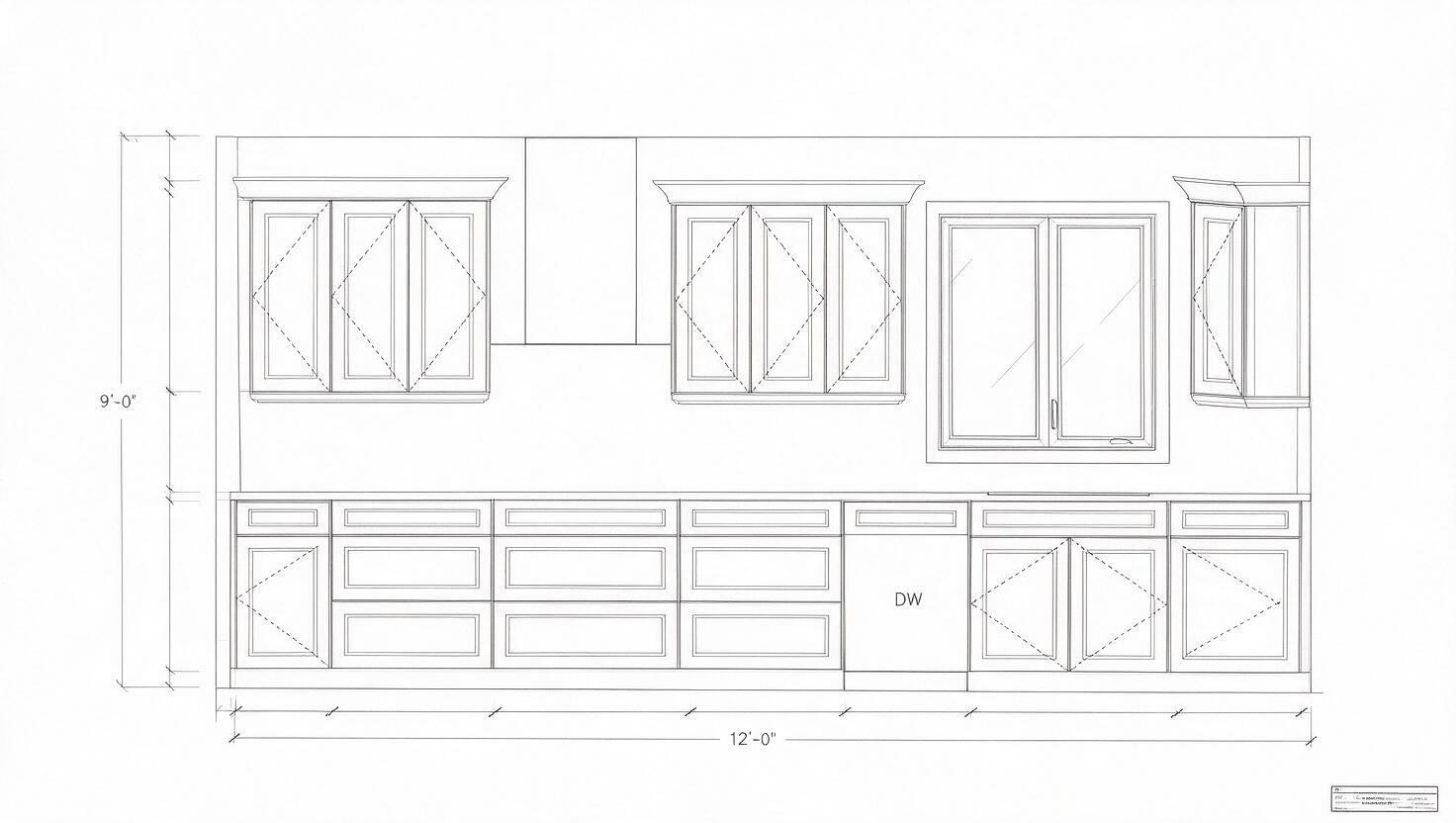 Before · drawing
 After · finished
Layout
Wall lengths
Island
Upper cabinets
Storage
Hardware
Front material
Colour
Countertop
Extras
Your estimate
Ballpark estimate for planning. Final price is fixed in your quote after we measure on site.
Cabinet style questions
01What are the main kitchen cabinet styles?+
Shaker (a flat panel in a four-piece frame), slab or flat panel, inset (doors set flush inside a face frame), raised panel, and glass fronts. Most kitchens use one or two of these.
02What is the best material for kitchen cabinets?+
It depends on use. Melamine is the best value, painted MDF gives any colour, veneer and solid wood bring warmth, and Fenix NTM is the most durable matte surface. The box should be a quality board on Blum hardware either way.
03Is inset worth the extra cost?+
If you love the look and your home keeps steady humidity, yes. It costs more because of the face frame and fitting time, and you lose a little interior width. For a similar clean look at lower cost, choose a slim shaker overlay door.
04Can I change cabinet style without replacing cabinets?+
Yes. Refacing replaces doors, drawer fronts and panels on your existing boxes, usually for about 40 to 60 percent of the cost of new cabinets.
See the samples in person
Book a design meeting by appointment and compare real doors, finishes and hardware before you choose.